%2Ffit-in%2F250x250%2Fguide_websites%2F1344%2Fimages%2Fseahorse.png&w=1920&q=100)
Blue Marlin Release in Islamorada FL
Blue Marlin Fishing in Islamorada - What to Expect
%2F%2Fusers%2Fc304790d-74c4-4726-bfae-08ef6cd001e1%2Fimages%2Fblue-marlin-release-islamorada-florida-2425.jpg&w=1920&q=75)
Fishing Charter by Captain Richard Rodriguez in April

Meet your Captain Richard Rodriguez
- Elite Islamorada Fishing Trip Awaits, Book Now!


Summary
This fishing charter capture shows the thrill of landing and releasing a blue marlin in Islamorada waters. On Saturday in April, Captain Richard Rodriguez and his crew at Sea Horse Deep Sea Fishing deliver an unforgettable offshore fishing experience where anglers encounter some of the ocean's most powerful game fish.
Fishing Charter with Captain Richard Rodriguez - Rates & Booking
Captain Richard Rodriguez of Sea Horse Deep Sea Fishing runs fishing charters on the waters around Islamorada, FL. Whether you're targeting blue marlin or other deep-sea species, Captain Rodriguez brings years of local knowledge and professional expertise to every trip. The charter focuses on providing an authentic offshore fishing experience where you'll encounter some of the ocean's most sought-after game fish. To book your fishing adventure and learn about current rates and availability, reach out directly to Sea Horse Deep Sea Fishing for real-time pricing and trip details.
Highlights of Your Fishing Experience
This image captures the excitement of a successful blue marlin release - a moment that defines offshore fishing in South Florida. The calm waters around Islamorada provide ideal conditions for targeting these powerful fish. With multiple anglers on board, you'll experience the camaraderie and shared adrenaline that comes with deep-sea fishing. Every catch tells a story, and Captain Rodriguez knows how to put you in the right place at the right time.
The Islamorada fishing grounds are known for consistent action and trophy-sized fish. Whether it's your first time or you're a seasoned angler, the crew at Sea Horse Deep Sea Fishing makes sure you're comfortable with the equipment and ready for whatever swims up to the boat.
Local Species Insights: Blue Marlin
Blue marlins are the crown jewels of offshore fishing. These magnificent fish are built for power, with streamlined bodies that let them reach incredible speeds through open water. In the Islamorada area, blue marlin season brings anglers from around the world hoping to tangle with these ocean athletes.
What makes blue marlin fishing special isn't just the size - it's the fight. These fish are intelligent and incredibly strong, putting up a battle that tests both your skills and your endurance. Most offshore charters practice catch-and-release, which lets these fish continue their journeys through the Gulf Stream and Atlantic waters. The release itself is thrilling - watching a 200-plus-pound marlin head back to the depths after an hour-long fight is something you'll remember for years.
Islamorada's proximity to the Gulf Stream makes it a prime location for marlin. The deep water, currents, and abundant baitfish create perfect hunting grounds for these predators. Captain Rodriguez and his crew understand the patterns and behaviors of these fish, positioning the boat where marlins are most likely to strike. Whether you hook into a fighter or enjoy the scenic offshore experience, the waters around Islamorada deliver authentic big-game fishing.
The crew uses live bait and trolling techniques specifically designed for marlins. You'll spend the day scanning the horizon, watching for the telltale signs of a strike, and experiencing the unique blend of patience and adrenaline that defines saltwater fishing at this level.
Fishing in Islamorada: Blue Marlin
Blue Marlin Overview
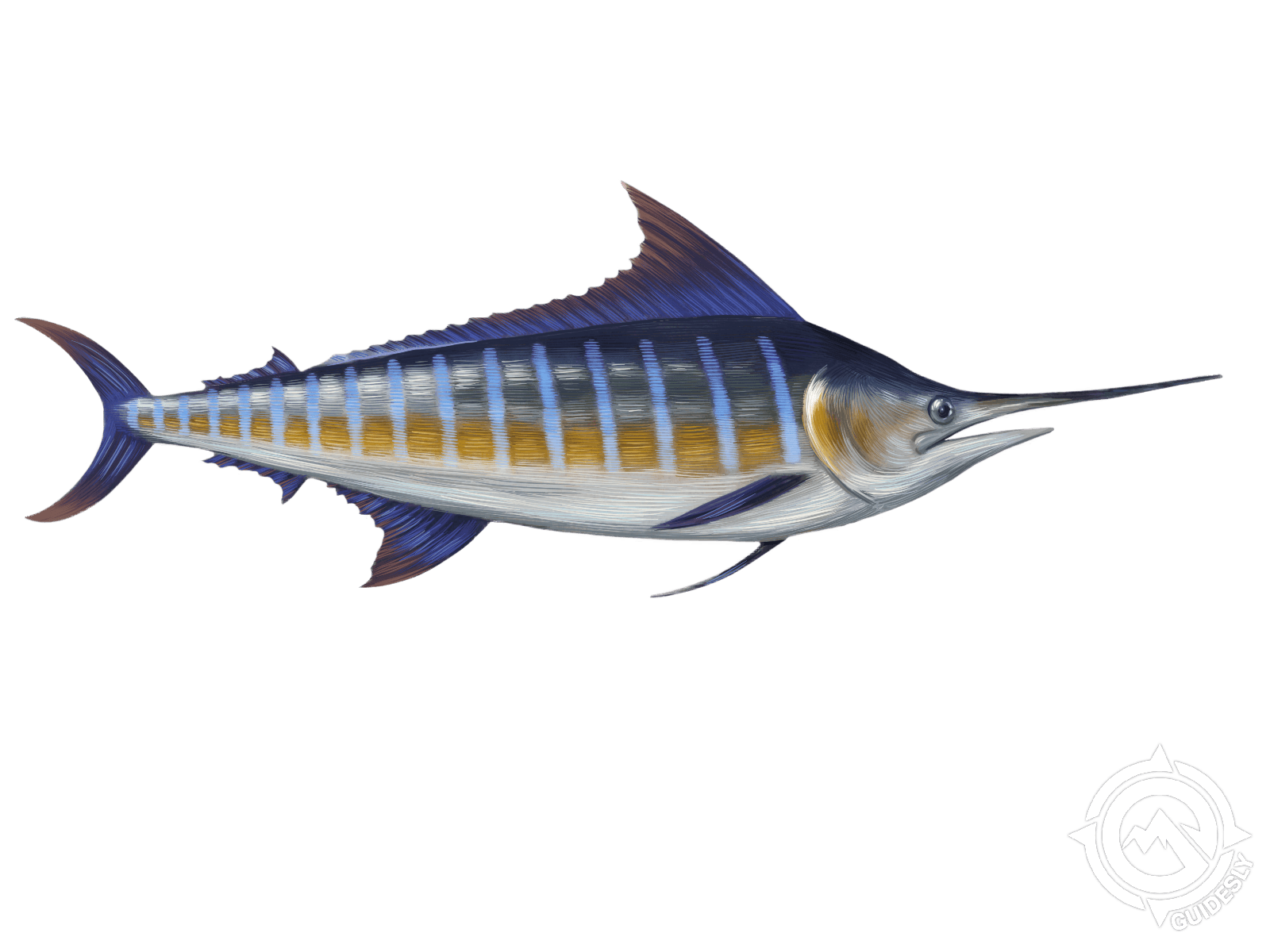
The Blue Marlin (Makaira nigricans), belonging to the family Istiophoridae and order Perciformes, stands as the undisputed giant among all billfish species. This remarkable saltwater gamefish is instantly recognizable by its dramatic cobalt-blue dorsal coloring that gradually transitions into a brilliant silvery-white belly, all adorned with distinctive pale and cobalt bars running along its muscular body. What makes the Blue Marlin truly legendary in the angling world is not just its sheer size—with some specimens exceeding 1,000 pounds, earning them the title of "granders"—but also their incredible acrobatic displays and aggressive fighting spirit that have made them the holy grail of sport fishing destinations from Hawaii to Panama to Mexico.
Blue Marlins are migratory fish that follow warm ocean currents, typically traveling paths that run tangent to the equator. Their ability to change skin color through specialized cells called iridophores allows them to communicate and hunt more effectively, making every encounter with this species a truly dynamic experience. Whether you're a seasoned angler or a curious observer, understanding this apex predator reveals why fishermen and ocean enthusiasts worldwide dream of their encounter.
Blue Marlin Habitat and Distribution
These magnificent creatures favor warm tropical and subtropical waters, making their primary homes across the Pacific, Atlantic, and Indian Oceans. The Blue Marlin's migratory nature means they're constantly on the move, following food sources and optimal water temperatures. You'll typically find them in offshore, open water environments where they hunt in deeper blue waters far from shore.
Certain hotspots have earned legendary status in the Blue Marlin fishing community. Kona, Hawaii is world-renowned for consistent year-round Blue Marlin fishing, with local anglers having perfected trolling techniques specifically for this location. The Gulf of Mexico provides exceptional opportunities throughout the year, while Panama, Mexico's Pacific coast, and various Atlantic locations offer seasonal abundance. The waters around these destinations remain relatively warm and rich in the prey species that Blue Marlins hunt, creating ideal conditions for encountering these powerful fish.
Blue Marlin Size and Weight
The size differences between male and female Blue Marlins are truly striking—female specimens are approximately four times larger than their male counterparts. Female Blue Marlins typically weigh between 1,190 and 1,810 pounds and reach maximum lengths of around 16 feet, making them formidable opponents for any angler. Male Blue Marlins, while still impressive, rarely exceed 350 pounds, which creates an interesting dynamic in both the species' reproduction and fishing dynamics.
For general angling expectations, most Blue Marlins encountered during fishing expeditions range from 200 to 400 pounds, with lengths typically between 132 to 197 inches. However, the legendary "grander" status—reserved for fish exceeding 1,000 pounds—remains a rare and coveted achievement that defines careers in sport fishing. The dramatic sexual dimorphism also contributes to the remarkable 27-year lifespan of females compared to the 18-year average for males, allowing trophy females to grow to truly spectacular proportions.
Blue Marlin Diet and Behavior
Young Blue Marlins begin their feeding journey consuming zooplankton and occasionally drifting fish eggs, but as they mature, their diet transforms into a sophisticated hunting regimen targeting larger prey. Adult Blue Marlins actively hunt Mackerel, Bullet Tuna, and Skipjack Tuna, which form a substantial portion of their dietary intake. Once reaching optimum size, they become apex predators capable of pursuing Yellowfin Tuna and Bigeye Tuna, demonstrating their position at the top of the oceanic food chain.
The Blue Marlin's behavior is defined by aggressive predation and remarkable athleticism. They use their distinctive long, spear-like snout as a weapon to injure or stun prey, making their hunting technique as lethal as it is efficient. Despite their size, Blue Marlins are surprisingly prone to fatigue after extended activity, though their fighting spirit and acrobatic abilities remain legendary. Their migratory patterns follow seasonal food availability and water temperature preferences, creating predictable windows for anglers who understand these behavioral patterns. Interestingly, mature Blue Marlins have few natural predators despite their dominance, though the Great White Shark remains one of the few threats these giants will encounter.
Blue Marlin Spawning or Seasonal Activity
Blue Marlins are highly migratory fish, with their movement patterns typically following equatorial waters where temperatures remain consistently warm. Their spawning and breeding behaviors are tied to seasonal water temperature fluctuations and food availability. During warmer months, Blue Marlins tend to migrate toward specific regions, making these periods ideal for fishing enthusiasts planning their expeditions.
While Blue Marlins are available year-round in certain locations like the Gulf of Mexico and Hawaii, the peak fishing seasons vary by region. In tropical and subtropical locations, they tend to be most active during warmer months when water temperatures optimize their metabolism and hunting behavior. Understanding these seasonal patterns has made certain destinations like Kona, Hawaii famous for consistent Blue Marlin encounters throughout the year, though some regional variations in fish size and frequency do occur with seasonal shifts.
Blue Marlin Techniques for Observation or Capture
Trolling with Artificial Lures: The most effective and popular technique for Blue Marlin fishing involves trolling with high-quality artificial lures across open ocean waters. Kona, Hawaii has become legendary for its refined trolling methods developed specifically for Blue Marlin, utilizing specially designed lures that mimic natural prey species. Successful anglers employ industrial-grade equipment—heavy-duty rods, reinforced reels, and premium line rated for 50 to 130 pounds—to handle the tremendous power these fish exert. Trolling speeds typically range from 6 to 9 knots, covering vast expanses of open water where Blue Marlins patrol. The key to success is maintaining optimal lure presentation and covering enough water to intercept these migratory giants.
Live Bait Techniques: As apex predators, Blue Marlins possess an instinctive attraction to live prey that demonstrates natural fight and movement. Live Mackerel, Tuna, and other substantial baitfish trigger aggressive strikes from hungry Blue Marlins. This technique works exceptionally well when targeting fish in known feeding zones during peak activity periods. The energetic struggle of live bait appeals directly to the Blue Marlin's predatory nature, often resulting in explosive strikes that test both angler and equipment to their limits.
Deep-Drop and Chunking Methods: In locations where Blue Marlins congregate, strategic chumming with fish pieces combined with deep-drop fishing can attract these fish to your vessel. This method works particularly well in the Gulf of Mexico and near underwater structure where food sources concentrate. Around Panama and Mexico's Pacific waters, local captains often employ this technique during peak seasons to draw Blue Marlins from deeper waters to fishing depth.
Blue Marlin Culinary or Utilization Notes
While Blue Marlin meat is classified as food-quality fare and technically edible, consumption comes with important considerations. The meat tends to be firm and flavorful, appealing to certain culinary traditions, particularly in regions with deep-sea fishing heritage. However, Blue Marlin accumulates relatively high levels of mercury in its tissues due to its position as an apex predator consuming large quantities of other fish species throughout its long lifespan. Health-conscious consumers and many seafood experts recommend limiting consumption frequency, particularly for pregnant women, children, and those with mercury sensitivity concerns.
The primary value of Blue Marlin today remains rooted in sport fishing rather than commercial culinary use. Catch-and-release practices have become increasingly popular among responsible anglers, allowing these magnificent fish to continue their migratory journeys and contribute to breeding populations. The true harvest from a Blue Marlin encounter is the unforgettable experience, the challenge overcome, and the story that will be told for decades—making the fish's ecological contribution far more valuable than its edibility.
Blue Marlin Frequently Asked Questions
Q: What is the best bait or lure for catching a Blue Marlin?
A: The most effective approach combines high-quality artificial lures used in trolling with live baitfish presentations. Kona, Hawaii anglers have perfected specific lure designs that mimic natural prey, while live Mackerel and Tuna work exceptionally well for direct bait presentation. The choice often depends on your location, with local fishing guides offering region-specific recommendations based on what Blue Marlins are actively hunting in that area.
Q: Where can I find Blue Marlin near Hawaii or Mexico?
A: Kona, Hawaii stands as the premier Blue Marlin destination worldwide, offering year-round opportunities with established charter operations and proven fishing grounds. Mexico's Pacific coast, particularly around Cabo San Lucas and Puerto Vallarta, provides excellent seasonal fishing. Panama's waters and the Gulf of Mexico also offer consistent opportunities, with each location having peak seasons when larger specimens are more prevalent.
Q: Is Blue Marlin good to eat?
A: While Blue Marlin flesh is technically edible with a firm texture and mild flavor profile, consumption is generally not recommended due to elevated mercury levels accumulated through their apex predator diet. Most modern anglers practice catch-and-release, valuing the sport and experience over culinary benefit. If consumption is considered, limiting frequency and portion size is advisable for health-conscious individuals.
Q: When is the best time to catch a Blue Marlin?
A: Peak Blue Marlin fishing seasons vary by location, though these fish are available year-round in warmer waters like Kona, Hawaii and the Gulf of Mexico. Generally, warmer months (June through September) provide excellent opportunities in most regions. Local water temperatures and food availability drive seasonal abundance, making research into specific destination conditions essential for planning successful expeditions.
Q: How do I know if I've hooked a Blue Marlin versus another billfish?
A: A hooked Blue Marlin immediately reveals itself through explosive aerial acrobatics and powerful runs. The dramatic jumps, tail-walking displays, and sustained head-shaking runs are hallmark Blue Marlin characteristics. These fish are notably more aggressive and athletic than many other billfish species, and their size—particularly if you've hooked a larger specimen—becomes immediately apparent through the immense pressure and sustained power of their fighting behavior.
Q: What equipment do I absolutely need for Blue Marlin fishing?
A: Industrial-grade, heavy-duty equipment is non-negotiable for responsible Blue Marlin angling. You'll need a sturdy boat with reliable engines, 50 to 130-pound-class rods and reels designed for saltwater performance, premium braided line rated for the weight class you're targeting, and professional-grade harnesses and fighting belts. Backup equipment is recommended, as these powerful fish can break inferior gear. Charter services in famous destinations like Kona come fully equipped, making them ideal for first-time Blue Marlin anglers.